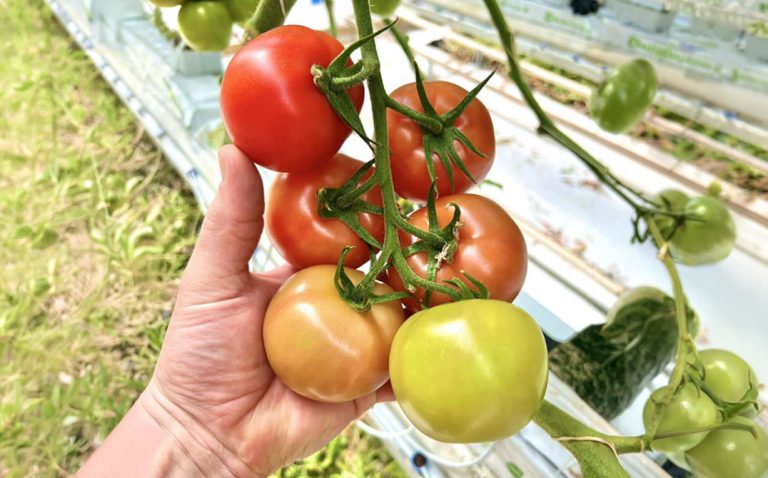

Greenhouse growing is more than a breakthrough in sustainable agriculture—it’s a catalyst for education, empowerment, and deeper community engagement. By bringing growing indoors and closer to home, Greenhouses have become powerful platforms for hands-on learning, career training, food literacy, and social impact initiatives. As schools, nonprofits, municipalities, and urban developers explore new ways to support community resilience and environmental awareness, Greenhouse-based educational programs are emerging as essential tools for cultivating not just plants, but people. Greenhouse growing methods teach sustainability, reliability, food safety and how you can grow consistent quality and flavorful vegetables picked at their peak all year round.
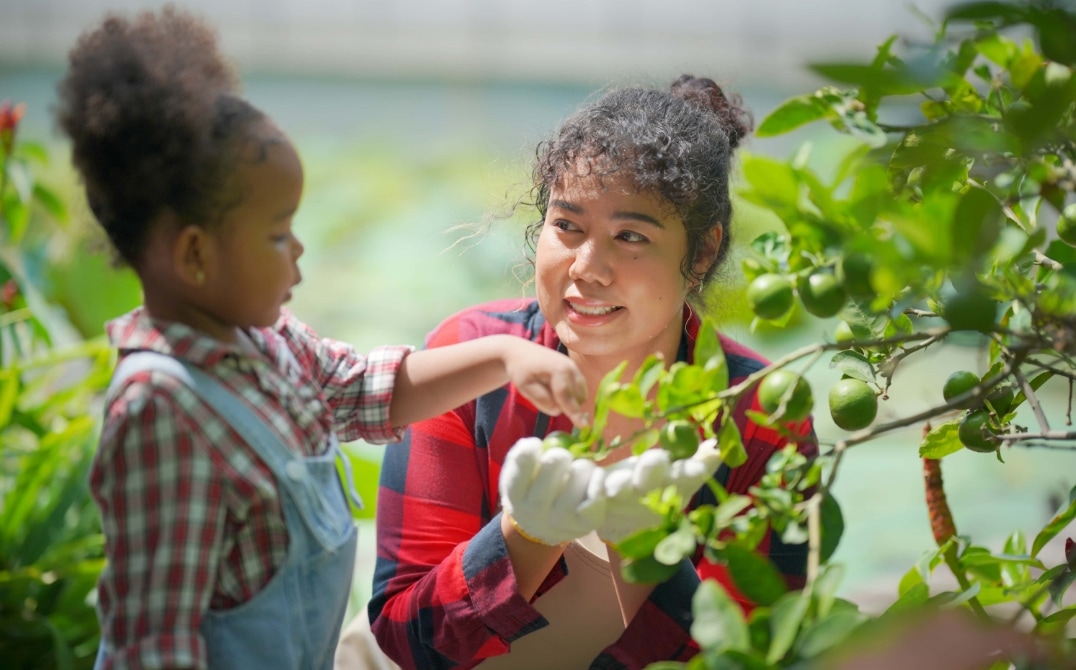
Educational Greenhouse programs are increasingly being integrated into K–12 schools, community colleges, and universities as part of STEM and environmental science curricula. These controlled environments offer real-world applications of biology, chemistry, engineering, and data science in a tangible, interactive setting. Students are introduced to plant anatomy, soil biology, photosynthesis, and ecological systems, while also learning how to monitor pH levels, mix nutrients, and use digital sensors to optimize growing conditions. This immersive learning format helps connect abstract concepts to real-world outcomes, increasing their knowledge of Greenhouse Goodness.
Programs are available in communities across the U.S. and Canada, where Greenhouses serve as living labs that support both academic success and personal development.
Community colleges and technical schools are also embracing Greenhouse programs as pathways into the booming fields of horticulture, agritech, and controlled environment agriculture. With commercial Greenhouse operations growing globally, the need for skilled labor is on the rise. Training programs provide students with hands-on experience in hydroponics, integrated pest management, and automated growing systems—equipping them for careers in food production, Greenhouse management, or even entrepreneurship. These opportunities are especially important in regions facing economic transition, where Green industries are providing new job pathways for displaced workers.
Beyond formal education, Greenhouses are reshaping how communities think about food, health, and social equity. Many urban Greenhouses are located close to grocery stores limiting their carbon footprint for travelling produce. In these Greenhouses, residents can participate in learning growing techniques, composting, food preservation, and nutrition. Community members not only learn how their favortite veggies are grown, but also how to make informed choices about what they eat, bridging the gap between food access and food literacy.
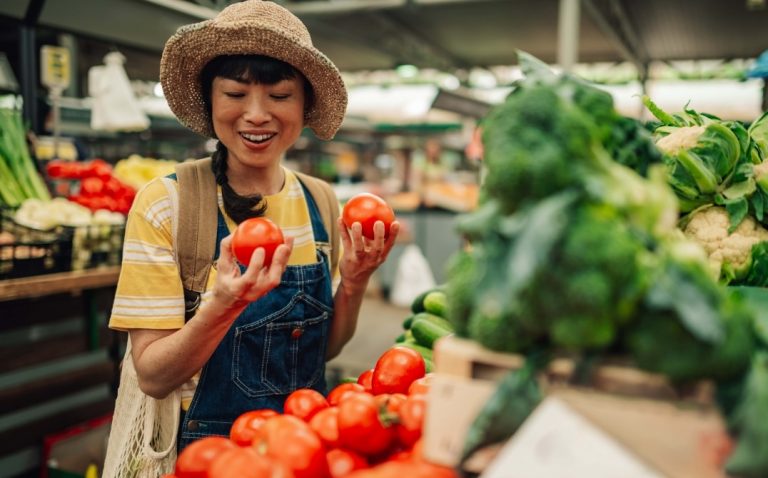
Programs like these build food security—giving people the tools and knowledge to make smart shopping choices. This allows people to choose fresh and flavorful peppers, cucumbers and tomatoes that they feel good about all year round for seasonal dishes.
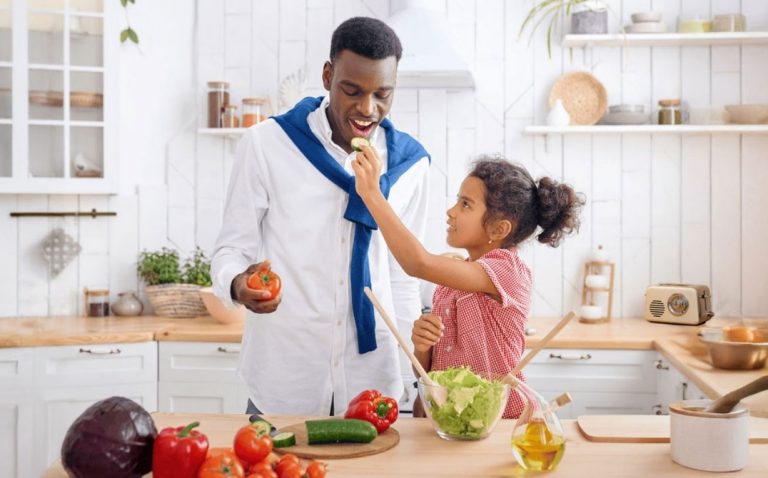
Youth-focused Greenhouse initiatives are especially impactful, giving young people an outlet for creativity, problem-solving, and leadership. Urban Greenhouse projects often pair growing with entrepreneurship, teaching kids how their veggies are planted, harvested, marketed, and how to make smarter shopping decisions. These programs instill a sense of ownership, financial literacy, and environmental responsibility—skills that are rarely taught in traditional classroom settings but are crucial for future resilience.
At a broader level, these engagement strategies also drive policy change. When communities are involved in growing their food, they’re more likely to advocate for food justice, land access, and climate-resilient infrastructure.
By combining environmental education and community involvement, Greenhouse growing creates ripple effects that extend well beyond food production. It supports healthier people, more engaged learners, more resilient neighborhoods, and a generation empowered make smarter shopping choices.