

A Cleaner, Safer Way to Grow Tomatoes
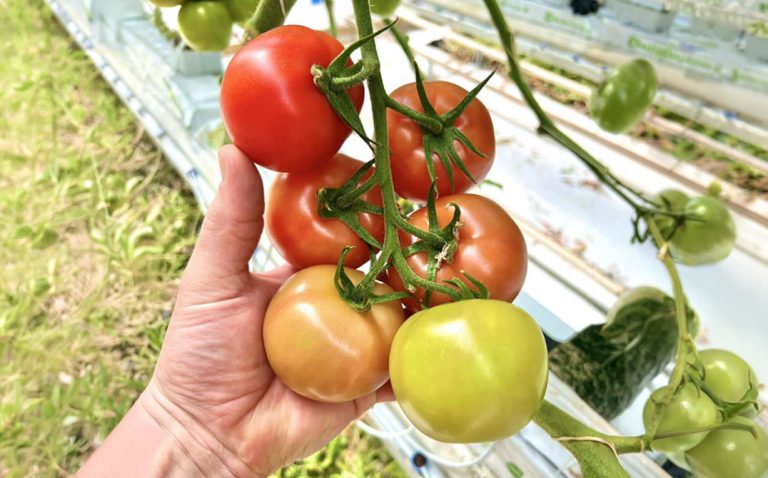
Greenhouse grown tomatoes are quickly becoming the preferred option for consumers looking for produce that’s safer, cleaner, and more flavorful. Grown in carefully controlled environments using sustainable practices, these tomatoes deliver all the advantages of traditional field-grown varieties—without the high pesticide load, environmental exposure, or uneven ripening. By minimizing chemicals and maximizing freshness, Greenhouses offer a tomato that’s safer to eat and healthier for both people and the planet. From cherry to tomatoes on the vine to grape to heirloom you can shop Greenhouse grown produce all year round knowing you are making the smart safer choice.
Reduced Chemical Use Through Smart Growing Methods
One of the biggest safety advantages of Greenhouse grown tomatoes is the dramatically reduced use of synthetic pesticides. Unlike field-grown tomatoes, which are often exposed to a wide range of pests and diseases, Greenhouse tomatoes are grown in protected environments with natural pollination methods like bumble bees and ladybugs.
Greenhouse pest control typically includes:
- Integrated Pest Management (IPM) using beneficial insects like ladybugs and parasitic wasps
- Environmental controls such as temperature and humidity adjustments to deter pests
- Natural Pollination instead of synthetic sprays
- Physical barriers including fine mesh screens and positive-pressure airflow to keep pests out
These methods mean fewer chemical applications are needed from the start, reducing chemical residues on the final product.
Safety for Workers and the Environment
The shift away from heavy pesticide use doesn’t just benefit consumers—it also protects workers and ecosystems. Greenhouse environments are closed, controlled, and localized, minimizing:
- Worker exposure to harmful substances
- Runoff contamination of rivers and soils
- Use of synthetic inputs that can harm pollinators and biodiversity
Hydroponic Greenhouses further reduce environmental impact by using 100% closed-loop drip irrigation water systems that prevent waste and pollution.
Lower Risk of Microbial Contamination
Greenhouse grown tomatoes are also safer from a microbiological standpoint. This means fully traceable tomatoes that you can feel good about feeding your family.
Greenhouse tomatoes are typically grown in:
- Sterilized, soil-free growing media
- Recirculated and filtered water systems
- Facilities that follow strict sanitation and traceability protocols
This clean, high-tech environment drastically reduces the risk of food borne illness.
Nutrient-Rich and Safe to Eat with the Skin On
Because of their clean production process through natural pollination, Greenhouse tomatoes are typically safe to eat with the skin on—where many nutrients and antioxidants are found, including:
- Lycopene (linked to heart health and cancer prevention)
- Vitamin C (supports immunity and collagen production)
Greenhouse tomatoes eliminate that pesticide concern and offer the full nutritional profile as nature intended.
Better Flavor and Longer Shelf Life
Safety isn’t the only benefit—Greenhouse tomatoes are often tastier, too. Grown closer to markets and allowed to ripen on the vine, they retain their natural sugars, acids, and aroma compounds, resulting in:
- Richer flavor and deeper color
- Stronger, more natural tomato aroma
- Better texture and juiciness
Greenhouse tomatoes ripen naturally as they are picked at their peak for consistent quality and flavor in every bite.
Fresher From Greenhouse to Table
Greenhouse tomatoes are picked at their peak, packed and shipped within 24 hours, which reduces the chances of:
- Bruising and spoilage
- Bacterial contamination
- Food waste
This streamlined supply chain results in a fresher product with longer shelf life, enhancing both safety and quality. This means nutritious and reliable produce to your table.
Transparency and Traceability
Today’s consumers want to know where their food comes from—and Greenhouse operations often meet this need with:
- Clean labeling
- QR-code traceability
- Detailed insight into growing and harvesting practices
This transparency builds consumer trust and gives buyers more control over their food choices. You can shop Greenhouse grown tomatoes and feel confident you are making the safer and healthier choice.
A Safer, Smarter Tomato
Greenhouse grown tomatoes offer a safer, more sustainable alternative to conventionally grown produce. With fewer chemicals, reduced contamination risk, and better taste, they’re a smart choice for consumers who care about health, flavor, and environmental impact. Whether you’re a home cook, a nutrition enthusiast, or an eco-conscious shopper, Greenhouse tomatoes bring confidence and quality to your table—bite after bite. So enjoy your seasonal meals from soups to salads to pastas to mocktails, Greenhouse grown tomatoes add freshness and flavor in every dish.