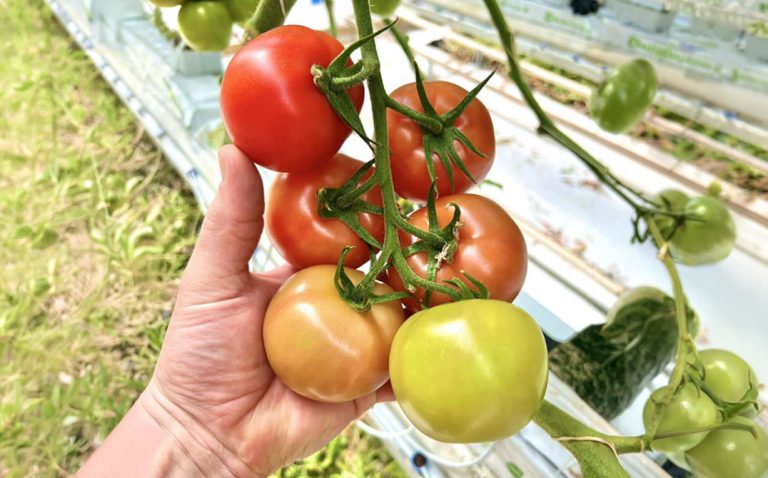


Greenhouse grown cucumbers are more than a crisp and refreshing addition to salads—they’re a potent, consistent source of essential vitamins, minerals, and antioxidants. Grown in clean, climate-controlled environments, these cucumbers are harvested at their nutritional peak and delivered fresh year-round, making them a reliable option for health-conscious eaters seeking natural sources of hydration and immune-boosting compounds.
One of the most compelling nutritional features of greenhouse cucumbers is their high water content, making up over 95% of the vegetable’s weight. This hydrating property aids in maintaining fluid balance, supporting cellular function, and promoting digestive health. While hydration is often overlooked in nutrition, it plays a critical role in regulating body temperature, flushing toxins, and delivering nutrients throughout the body. Cucumbers serve as a naturally hydrating food that supports whole-body wellness without added sugars or calories.
Beyond hydration, greenhouse cucumbers are rich in vitamin K, a nutrient essential for blood clotting, bone metabolism, and cardiovascular health. Just one cup of sliced cucumber with the peel can provide over 15% of the recommended daily intake of vitamin K. This vitamin works in tandem with calcium and vitamin D to support bone strength and reduce the risk of fractures, making cucumbers a valuable dietary addition for individuals focused on bone health, especially older adults.
Greenhouse cucumbers also contain notable levels of vitamin C, a potent antioxidant that contributes to immune defense, skin regeneration, and collagen synthesis. While vitamin C content can vary depending on growing conditions, cucumbers harvested from controlled environments tend to maintain more consistent levels due to optimal light exposure, temperature stability, and reduced nutrient loss during transport. Because greenhouse cucumbers are often grown close to market, they preserve their antioxidant potency better than long-haul produce.
Another nutritional standout in cucumbers is beta-carotene, found especially in varieties with a darker green skin. Once consumed, beta-carotene is converted into vitamin A in the body, supporting vision, skin integrity, and immune function. In greenhouse settings, where light quality and photoperiod can be finely tuned, growers can optimize beta-carotene levels by controlling the spectrum of LED lighting and the length of light exposure—techniques backed by agricultural science to enhance nutritional density.
One of the lesser-known benefits of cucumbers lies in their antioxidant profile. In addition to vitamin C and beta-carotene, they contain flavonoids such as apigenin and luteolin, as well as caffeic acid and cucurbitacins—compounds studied for their anti-inflammatory, antimicrobial, and potential anticancer properties. These antioxidants help protect cells from oxidative stress caused by free radicals, reducing the risk of chronic diseases like heart disease, diabetes, and certain cancers. Greenhouse growing supports the preservation of these delicate compounds by reducing plant stress from pests, pollutants, and harsh environmental conditions.
Because greenhouse cucumbers are typically grown with Integrated Pest Management (IPM) rather than chemical-heavy methods, they are cleaner and often contain fewer pesticide residues than field-grown options. This not only supports consumer safety but also helps retain nutrient integrity, as excessive pesticide exposure can degrade certain vitamins during post-harvest handling. The consistent quality of greenhouse produce also allows for less processing and peeling—meaning more consumers eat the skin, where many nutrients and antioxidants are concentrated.
Cucumbers also contain fiber, particularly when eaten unpeeled. While not a fiber powerhouse compared to other vegetables, the insoluble fiber in cucumbers helps support digestive health, prevent constipation, and contribute to a healthy gut microbiome. In greenhouse grown varieties, fiber levels remain consistent due to standardized growing conditions and optimized harvest timing.
For individuals managing inflammation or chronic conditions, the alkaline nature of cucumbers makes them an ideal choice in an anti-inflammatory diet. Their combination of hydrating water, cooling compounds, and phytonutrients helps soothe internal systems while reducing oxidative stress. Because greenhouse cucumbers are harvested in prime condition and handled delicately, they arrive with maximum nutritional value intact, providing more functional food benefits per bite.
With a growing number of consumers prioritizing health, immune support, and clean eating, greenhouse cucumbers offer an ideal solution. Their year-round availability, consistent freshness, and powerful nutritional profile make them one of the most accessible and functional superfoods in the produce aisle. Whether sliced into a water infusion, blended into a smoothie, tossed into a salad, or enjoyed on their own, greenhouse cucumbers deliver fresh, clean nutrition with every bite.