
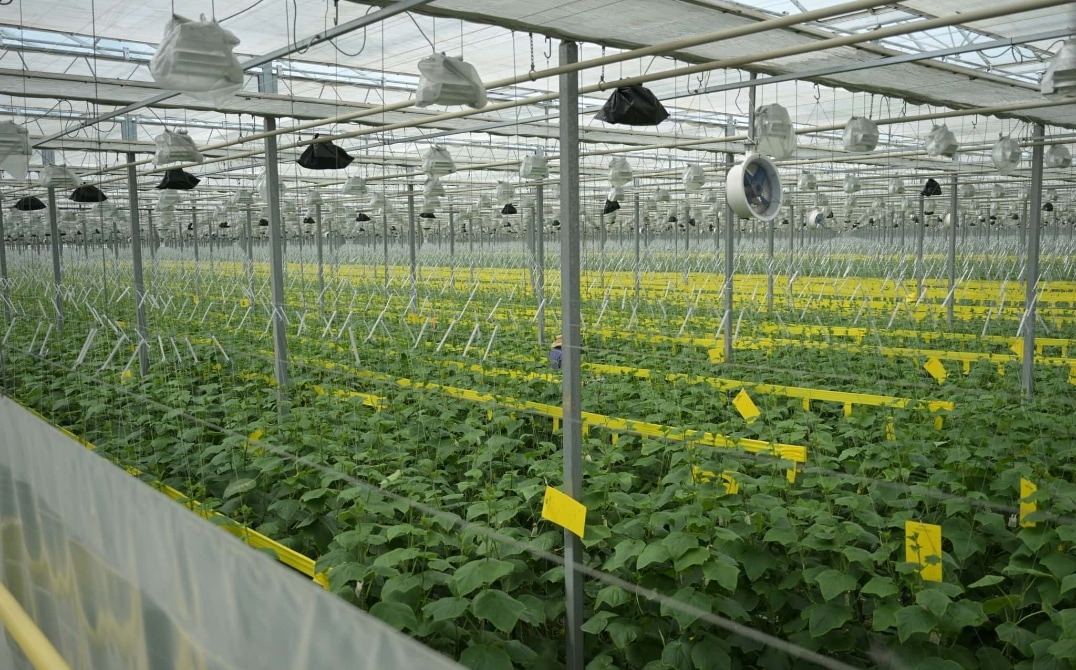
Greenhouse growing is rapidly growing as a vital solution in the global response to climate change. Controlled environment agriculture (CEA) offers a more stable, efficient, and resilient way to produce food and protect vegetables from severe weather patterns that can damage produce. Greenhouses enable growers to adapt to the new realities of a changing climate by decoupling food production from the environment’s unpredictability, securing crop yields, and reducing agriculture’s environmental footprint.
Environmental stressors are already contributing to reduced yields, crop failures, and growing food insecurity in vulnerable regions. That’s why Greenhouse grown vegetables is the safer, smarter and more reliable choice for flavorful veggies for your favorite meals.
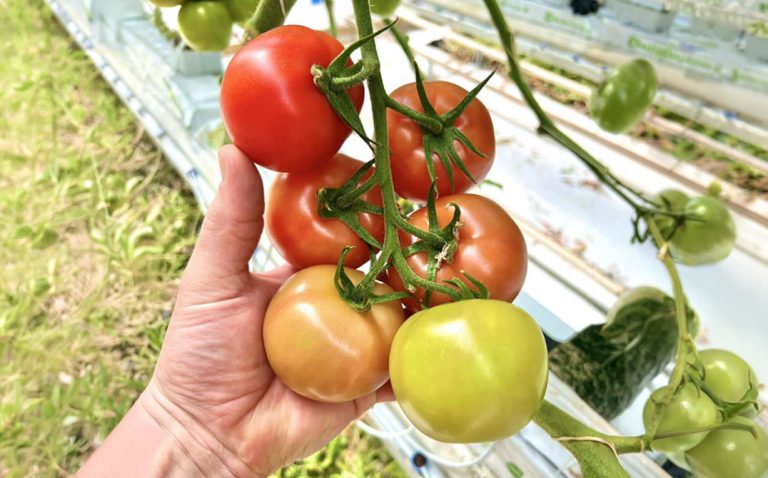
Greenhouse growing removes crops from direct exposure to volatile weather. Enclosed systems shield plants from wind, heatwaves, and seasonal frosts, ensuring consistency in growing cycles and protecting valuable harvests. Greenhouse grown vegetables are able to be consistent in quality and flavor as they are protected from damaging weather.
Greenhouse growing systems also dramatically reduce agriculture’s environmental impact. 100% closed-loop irrigation systems allow Greenhouses to use up to 90% less water than field. As freshwater scarcity becomes a defining feature of the climate crisis, this efficiency is not only sustainable—it’s essential for long-term viability.
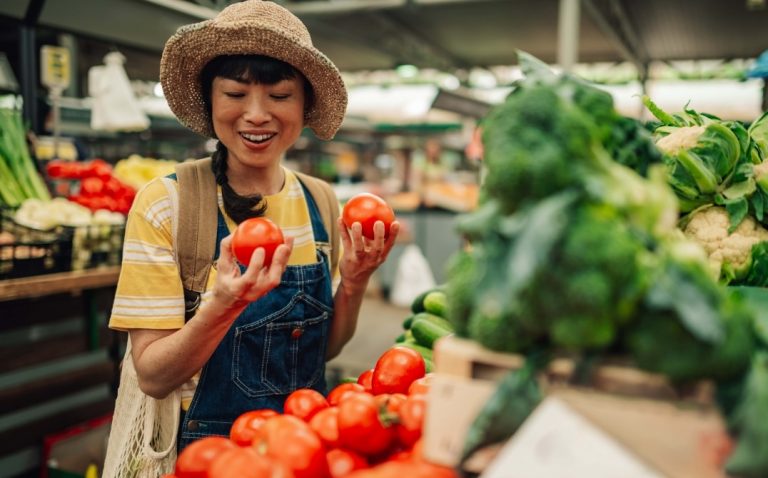
Greenhouses situated near urban centers produce food within a 24 hours drive reach of the communities they serve, cutting out long-haul shipping and reducing associated emissions. These vegetables are picked at their peak, packaged and shipped within 24 hours.
Another climate advantage is that Greenhouses require less land and yield 20x more produce. Vertical and stacked growing systems enable high-density production in small spaces, conserving land that might otherwise be deforested or degraded for farming. By intensifying production vertically rather than expanding horizontally, greenhouse systems help preserve natural ecosystems and reduce the carbon cost of food production. This makes Greenhouse grown vegetable efficient and reliable.
Greenhouse growing also allows for more rapid and targeted adaptation to changing growing conditions. With real-time data from sensors monitoring temperature, light, CO₂, and nutrient levels, growers can respond instantly to crop needs, optimizing growth while minimizing waste. Predictive models are increasingly being integrated into Greenhouse growing management systems to forecast plant behavior and improve decision-making.
In a time where climate disruption is no longer a future threat but a current reality, Greenhouse growing represents a new agricultural solution—one defined by resilience, innovation, and environmental responsibility. Now that’s something to feel good about!