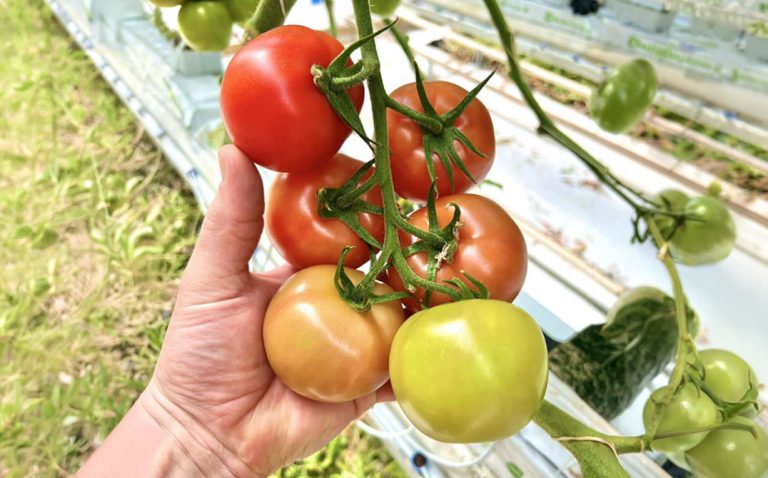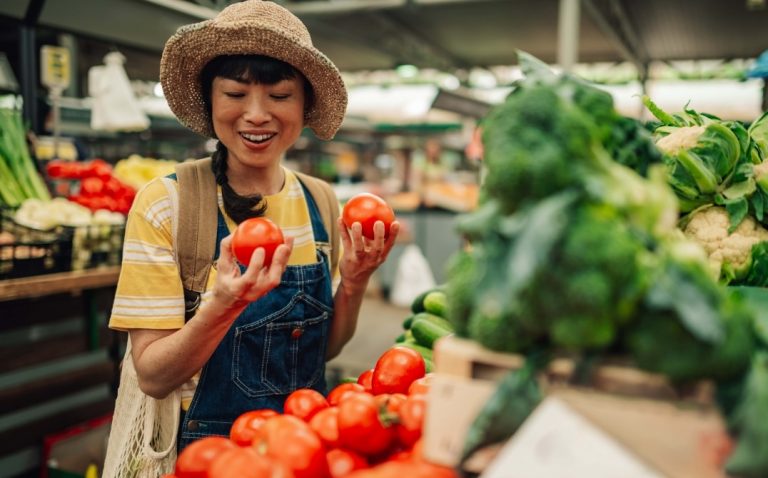


Greenhouse grown tomatoes are at the heart of healthy and flavorful meals. Greenhouse-to-table emphasizes not just freshness and flavor, but also controlled environment agriculture (CEA), sustainability, and fresh produce. These tomatoes are cultivated using resource-efficient, tech-driven methods that allow for consistent quality tomatoes in any season with minimal environmental impact. Their role in healthy eating and sustainable growing reflects how innovation in agriculture is helping to redefine what it means to eat fresh, local, and consistent quality tomatoes.
The Greenhouse-to-table concept hinges on proximity, transparency, and sustainability. Greenhouse tomatoes are often grown within regional Greenhouses located just outside urban centers. This close proximity dramatically shortens the supply chain, allowing tomatoes to be picked at their peak ripeness and delivered within a 24 hour drive. That means consumers enjoy tomatoes with better taste, higher nutritional value, and less waste—all with a significantly reduced carbon footprint.
Because they are grown in climate-controlled Greenhouses, these tomatoes are always in season. They’re produced in environments optimized for plant health and yield. By adjusting light, humidity, and temperature, growers maintain a consistent supply that supports daily healthy snacking, meals, and food service demands—even in the middle of winter. This is something to feel good about. Greenhouses seek to end reliance on out-of-season produce and instead build food systems that are resilient, efficient, and sustainable, so you can live a healthy lifestyle.
Full of flavor, Greenhouse tomatoes nutrients are precisely measured and delivered through hydroponic or 100% closed-loop irrigation systems. Bumble bees and ladybugs buzz around the Greenhouse, naturally pollinating your favorite tomatoes. These beneficial insects reduce the need for pesticides. You can feel confident eating our are clean, chemical-free tomatoes. Shop Greenhouse grown tomatoes for home cooked meals such as soups, salads, pastas or simply enjoy raw as a healthy snack!
Greenhouse-to-table also brings greater traceability and transparency to the food chain. Many Greenhouse operations now include QR codes or labeling that allow consumers to trace their tomato’s journey—where and how it was grown, when it was harvested, and what sustainable practices were used. This not only builds consumer trust but also highlights the importance of knowing your food’s origin—a core value of the movement. For eco-conscious shoppers, the ability to choose tomatoes that are both grown with reduced pesticides and sustainably managed is an empowering decision that aligns with broader goals around climate action and food justice.
Restaurants and chefs are also embracing Greenhouse tomatoes for their consistency and quality, enabling them to maintain flavor profiles. These tomatoes allow menus to feature heirloom tomato salads, tomato-based sauces, and fresh salsas even when traditional growing seasons would make it impossible. That consistency supports both creativity and cost efficiency in professional kitchens, while reinforcing a sourcing ethos.
In addition, Greenhouse tomatoes are often included in community-supported agriculture (CSA) programs, produce subscription boxes, and grocer partnerships, this makes Greenhouse grown tomatoes more accessible.
The educational component of the Greenhouse-to-table movement is also growing, with many Greenhouse operations opening their doors to tours, school visits, and urban growing initiatives. These outreach programs help demystify the food system and reconnect people with how their food is grown. Tomatoes, being familiar and loved by all ages, serve as the perfect entry point for teaching about hydroponics, sustainability, and the importance of eating clean produce.
Greenhouse tomatoes practice sustainable growing. Their production requires less water, land, and chemical input meaning less wasted space and more flavorful tomatoes to your plate! And because they’re grown close to where they’re eaten, they eliminate the need for long-haul transport, refrigeration, and extensive packaging. This efficiency reduces emissions and food waste while making fresh produce more accessible in urban food deserts and underserved communities.
Greenhouse grown tomatoes are more than just a kitchen staple—they’re a symbol of a broader shift in how we grow, source, and value our food. Fresh, full of flavor in every bite, Greenhouse grown tomatoes promote healthy living for all ages!