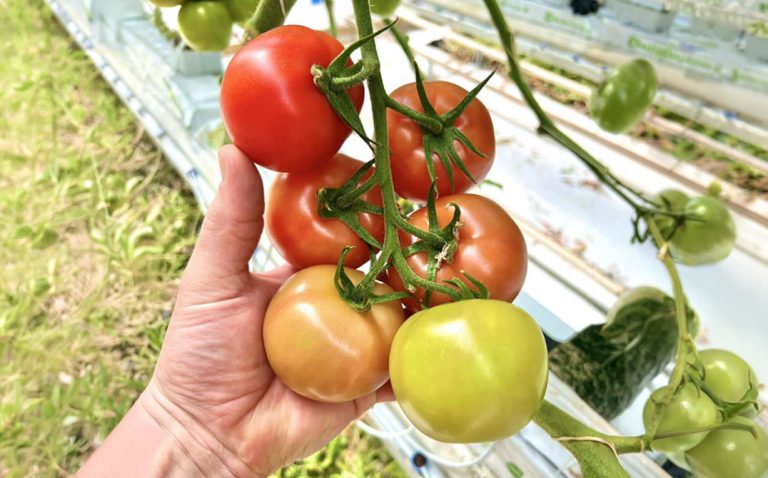


Greenhouse growing is not only transforming how food is produced—it’s also redefining agricultural employment by creating stable, year-round jobs in a traditionally seasonal industry. Unlike conventional outdoor growing, which is constrained by climate, daylight, and weather patterns, Greenhouse agriculture operates in controlled environments where growing cycles can continue uninterrupted throughout the year. This shift has far-reaching implications for labor stability, rural development, urban workforce integration, and economic resilience in the face of changing agricultural demands.
Seasonal employment has long been a defining characteristic of field agriculture. Workers are typically hired during planting and harvesting windows, often for just a few months at a time, before being let go until the next cycle. This volatility leads to inconsistent incomes, worker migration, and underutilization of skills. Greenhouse operations, however, function on continuous production models where multiple crop rotations occur year-round. As a result, roles such as planting technicians, harvesting staff, quality control inspectors, and crop managers become permanent rather than temporary positions. This means you can shop Greenhouse grown vegetables fresh all season long.
This continuity benefits both workers and employers. For workers, Greenhouse employment provides consistent wages, greater access to benefits like health insurance and paid leave, and long-term career development. For growers, a stable workforce reduces the costs associated with recruitment, onboarding, and training new labor each season. It also fosters higher skill retention and operational efficiency, leading to better crop outcomes and increased profitability. This means your favorite Greenhouse grown vegetables are picked at their peak, packed and shipped within 24 hours.
In urban areas, the rise of city-based Greenhouses and vertical growing has opened up agricultural employment to demographics previously disconnected from growing. Year-round Greenhouse roles are increasingly attracting workers from diverse backgrounds—including students, career changers, and residents of low-income neighborhoods—who may not have access to land but can now participate in the food economy within walking distance of their homes.
Rural communities also benefit significantly from the economic stability that year-round Greenhouse jobs provide. In regions where outdoor agriculture once dominated but is now declining due to soil depletion, drought, or market shifts, Greenhouse growing introduces a consistent and scalable economic engine. These facilities often require a mix of skilled and semi-skilled workers—from automation technicians and irrigation specialists to packagers and logistics coordinators. With the right investment, Greenhouses can anchor economies, reduce outmigration, and support the development of allied industries like cold storage, seed production, and agritech services.
Technology plays a critical role in elevating Greenhouse work from purely manual labor to high-value technical careers. The integration of sensors, climate systems, and robotic harvesters requires a new breed of agricultural workers with expertise in data interpretation, systems monitoring, and machine maintenance. Greenhouse companies often invest in workforce training programs or partner with colleges to equip employees with these skills, creating pathways for advancement and higher earning potential within the same organization.
In Ontario Canada, for example, the Greenhouse vegetable sector employs more than 32,000 workers and is expected to grow as demand for domestic, sustainable food increases (Agriculture and Agri-Food Canada). The industry supports not just production jobs but also opportunities in research, marketing, logistics, and quality assurance.
Educational institutions are responding to this trend by launching specialized certificate and diploma programs in controlled environment agriculture, horticulture, and Greenhouse systems. These programs serve as direct pipelines into year-round employment and are often developed in collaboration with Greenhouse employers to ensure skill relevance. Students graduating from these programs enter a labor market where demand is growing, and job stability is a competitive advantage.
The predictability of Greenhouse operations also allows for more structured work schedules. Employees can work consistent shifts, making it easier to balance family life, education, or additional employment. This level of predictability is appealing to younger generations of workers seeking stability in mission-driven industries like sustainable food production.
Greenhouse growing’s ability to provide continuous, and upwardly mobile employment is a game-changer in agriculture. It redefines Greenhouse work as modern, inclusive, and stable—attracting talent from both traditional and emerging sectors. As climate change continues to disrupt conventional agriculture, Greenhouse operations stand out not just for their resilience in growing food, but also for their capacity to grow long-term careers and healthier economies.