
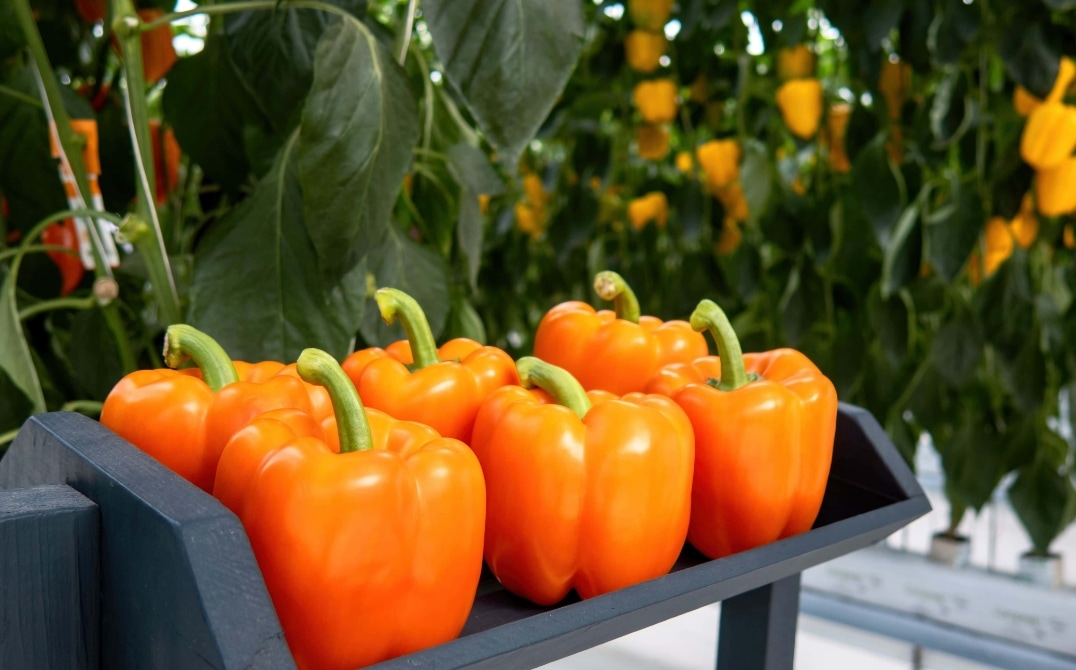
Greenhouse grown peppers are growing as a healthy and sustainable snack, offering a cleaner, more efficient way to enjoy vibrant, nutrient-rich peppers. Cultivated in climate-controlled environments that optimize resources and minimize waste, these mini, bell and long peppers embody the values of modern sustainable food systems—producing more with less, preserving natural ecosystems and food access so you can enjoy your favorite seasonal dishes.
One of the most significant contributions Greenhouse peppers make to sustainability is their exceptional resource efficiency, especially in water use. Greenhouse growing systems, by contrast, use 100% closed-loop drip irrigation and hydroponic setups that deliver water directly to the root zone and often recirculate it. This targeted approach reduces water use by up to 90%, a critical advancement in a world facing increasing water scarcity. Greenhouse grown peppers are picked at their peak and shipped within 24 hours. They are grown in a controlled environment, this sharply reduces the need for synthetic pesticides and herbicides.
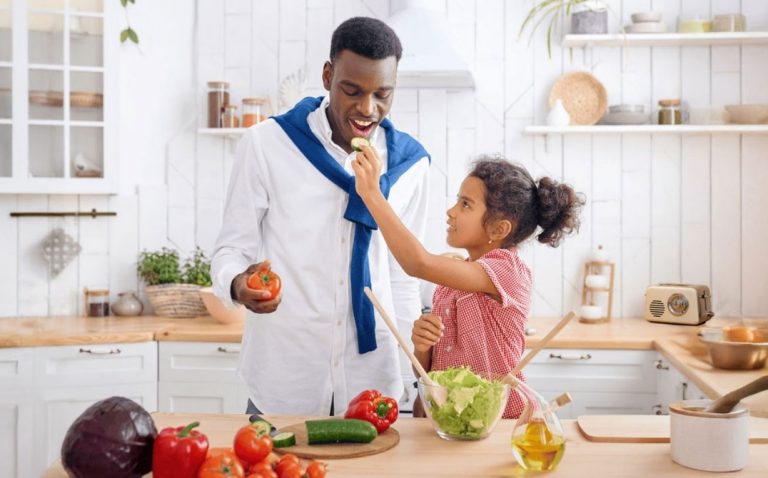
Integrated Pest Management (IPM) strategies that rely on biological pest control, like introducing beneficial insects like bumble bees and ladybugs to naturally pollinate the peppers. This not only results in fewer chemical residues on the final product but also protects pollinators, biodiversity, and growers from harmful exposure. The reduced chemical footprint also limits the risk of pesticide runoff contaminating nearby waterways and soil ecosystems. This means parents can confidently feed their family Greenhouse grown peppers knowing their food safety is fully traceable.
Another major environmental benefit comes from the efficient land use of Greenhouse pepper production. Vertical growing techniques and intensive planting strategies allow for higher yields per square meter while saving on land space. This means more food can be produced on less land, reducing pressure on forests, wetlands, and natural habitats. With the global demand for food rising, Greenhouse grown peppers demonstrate how controlled environment agriculture can scale responsibly without contributing to land degradation or biodiversity loss. So stock up on those fresh and flavorful Greenhouse grown mini, bell and long peppers for endless healthy snacking.
Greenhouse grown peppers, often cultivated just outside major urban centers, reduce food miles and eliminate the need for overseas shipping. This production not only enhances freshness and shelf life but also significantly cuts the carbon footprint of each pepper. You can eat these peppers knowing you are making a sustainable choice! Now that’s something to feel good about!
The environmental sustainability of Greenhouse grown peppers is closely tied to energy innovation as well. Modern Greenhouses increasingly incorporate renewable energy sources, such as solar panels or geothermal heating, and use LED lighting to simulate ideal growing conditions without excessive electricity consumption.
These energy-efficient technologies reduce reliance on fossil fuels.
From a waste reduction standpoint, Greenhouse pepper operations have a distinct advantage. The consistency of climate-controlled environments minimizes crop loss due to weather events, pests, or disease. Misshapen or off-grade peppers, which might be discarded in traditional markets, are often repurposed into sauces, frozen products, or donated to food programs—supporting a circular food economy where more of the crop is utilized and less ends up in landfills.
Moreover, Greenhouse grown peppers are increasingly aligned with regenerative practices such as closed-loop nutrient management and composting. Hydroponic systems, for example, allow growers to reclaim and reuse nutrients, reducing the risk of over-fertilization and runoff. Some Greenhouse operations even use captured rainwater, composted plant matter to create low-impact, multi-yield systems that support long-term ecological balance. Beyond environmental benefits, the sustainable model of Greenhouse pepper production also has strong social and economic advantages.
Ultimately, Greenhouse peppers are a sustainable, healthy and flavorful choice for all your family meals. Through efficient use of water, land, and energy—and by reducing chemical inputs and transport emissions Greenhouse systems prove that sustainability and productivity can go hand in hand. As climate pressures mount and consumers demand cleaner produce, these brightly colored vegetables stand out as a powerful symbol of the future of growing.