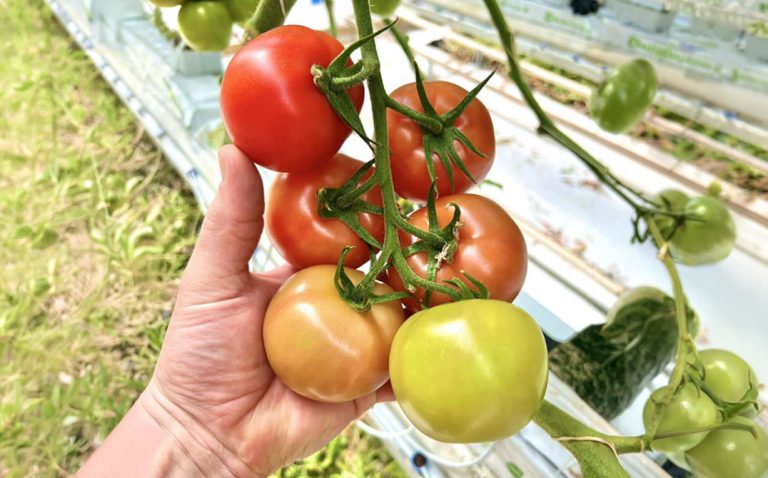

Greenhouse grown peppers offer more than just a delicious, nutrient-dense addition to your meals—they’re also a powerful way to support communities, strengthen regional economies, and promote sustainable agricultural practices.
In recent years, consumer awareness around food origin has surged. People increasingly want to know not only what’s in their food, but where it comes from and how it was produced. Greenhouse operations located in regional zones—such as Ontario’s robust Greenhouse belt—have become an essential part of food systems. They provide consistent, high-quality produce while also generating employment, preserving land, and reducing food miles in ways that large-scale industrial farms often cannot match.
Purchasing Greenhouse-grown peppers directly benefits leconomies. Greenhouse agriculture is labor-intensive, requiring skilled and semi-skilled workers year-round. These jobs, which range from planting and harvesting to packaging and logistics, help stabilize rural economies and provide employment opportunities in areas that often rely heavily on agriculture as their primary economic driver. By supporting these businesses, consumers help ensure long-term employment and infrastructure development in their own regions.
Choosing Greenhouse peppers also helps keep more money circulating within the community. According to research by the American Independent Business Alliance, for every $100 spent at a business, roughly $68 stays in the economy (AMIBA). When applied to agriculture, this means that buying l grown produce like peppers supports grower operations, distributors, markets, and even restaurants, creating a ripple effect that strengthens entire communities.
From an environmental perspective, Greenhouse grown peppers represent a major step toward sustainability. Greenhouses typically employ precision agriculture techniques—controlled irrigation, integrated pest management, and energy-efficient lighting—to reduce resource use and maximize yields. Additionally, Greenhouse growing drastically reduces the need for long-haul transportation, which in turn cuts Greenhouse gas emissions. The concept of “food miles” matters: produce grown closer to home has a smaller carbon footprint, contributes less to traffic congestion, and requires less refrigeration and packaging during transit.
Greenhouses also prioritize food safety and traceability. Consumers benefit from greater transparency, knowing exactly where their peppers came from and how they were grown. Many operations offer tours, community-supported agriculture programs, and grower-to-table events that foster connections between growers and consumers. This level of transparency not only builds trust but also helps educate people about the agricultural process, promoting better food literacy across age groups.
Food systems also contribute to cultural vibrancy. Many Greenhouse operations are run by families or small collectives that reflect the cultural diversity of their communities. Their produce often appears in community kitchens, and school nutrition programs, making healthy food more accessible and culturally relevant. These growers become part of the social fabric, not just providers of food but also contributors to food security and wellness initiatives.
There’s also a broader economic incentive to shop when it comes to Greenhouse peppers. Supporting producers increases demand for regionally grown food, encouraging more investment in infrastructure and innovation within the sector. This demand fuels expansion, allowing Greenhouse growers to scale production sustainably, experiment with heirloom and specialty pepper varieties, and reinvest in their technology and workforce.
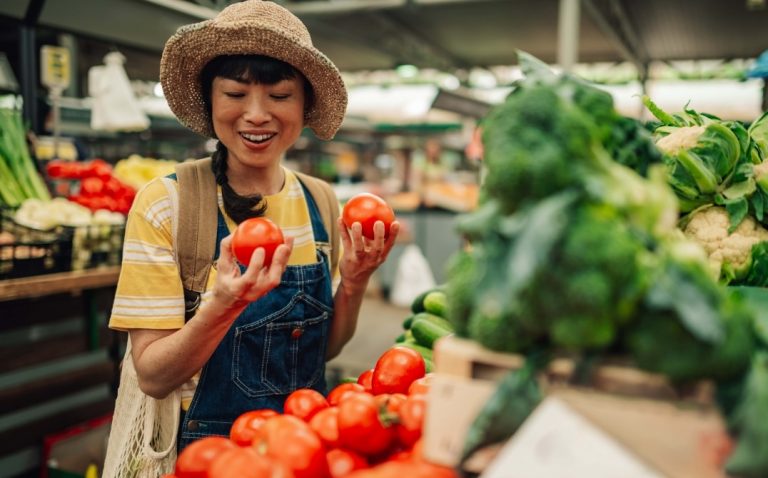
In the end, every pepper picked from a Greenhouse nearby represents more than a food choice—it’s a vote for jobs, environmental responsibility, food security, and the economic trade. Whether bought from a neighborhood grocer that stocks regional produce or at a market where growers showcase their latest harvest, choosing Greenhouse grown peppers helps reinforce the values of sustainability, community empowerment, and healthy living.