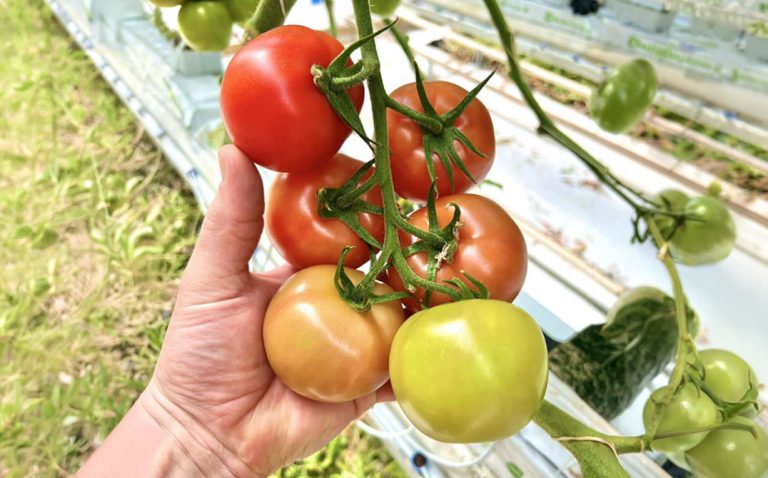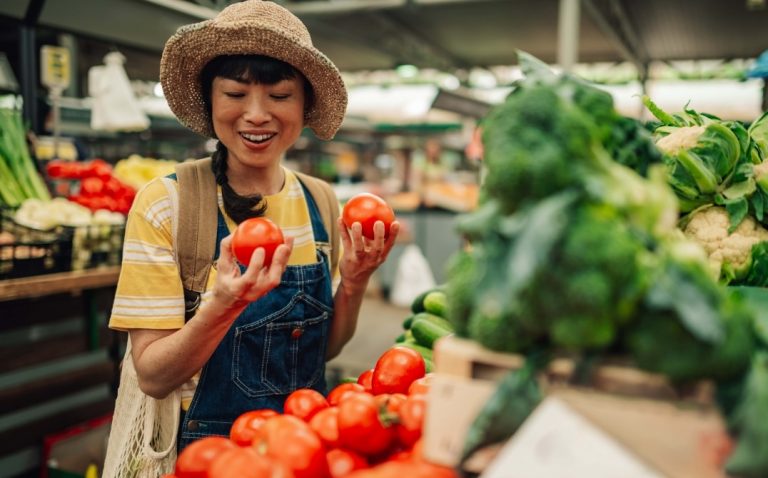

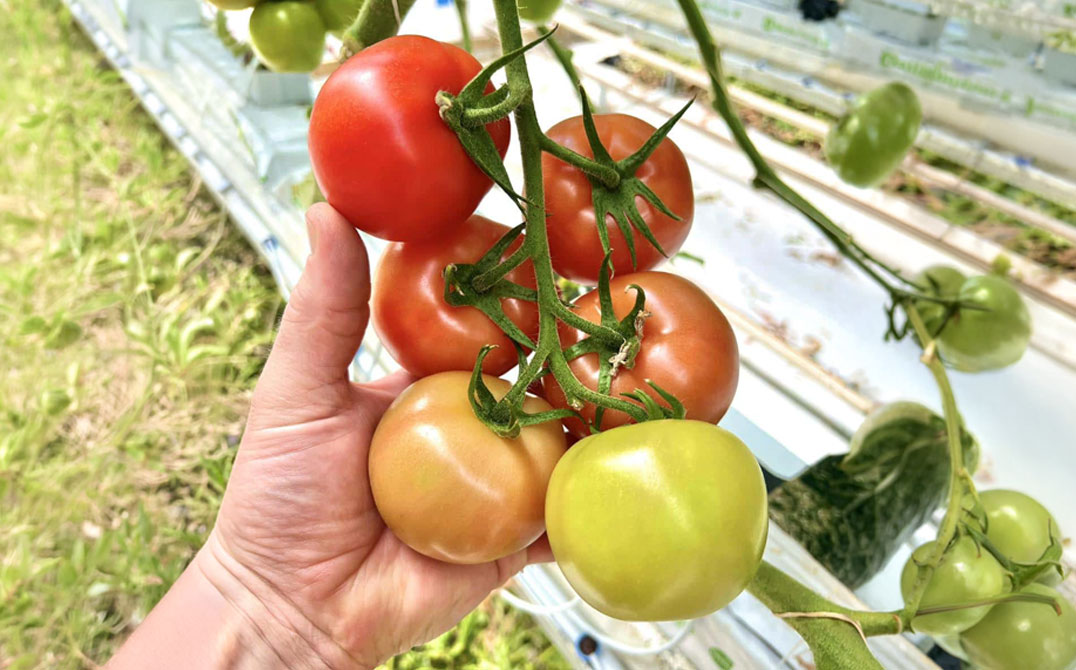
Choosing Greenhouse-grown tomatoes means choosing consistent quality, flavor and fresh veggies every time. These sustainable naturally nurtured tomatoes are grown closer to home and packed and shipped within 24 hours after being picked at their peak. As food systems evolve to meet the growing demand for sustainable agriculture, Greenhouse grown tomatoes, clean, efficient and reliable produce. These tomatoes are cultivated using precision-controlled techniques that reduce resource consumption, eliminate harmful runoff, and minimize food miles—all while providing consistent, high-quality vegetables.
One of the most significant environmental advantages of Greenhouse grown tomatoes is efficient water usage. Greenhouse growing systems, use 100% closed-loop drip irrigation or hydroponics, which deliver water directly to the plant roots to give them the hydration they need to turn into your favorite fresh and flavorful tomatoes. These closed-loop systems recycle water, cutting usage by up to 90% and conserve one of our planet’s most critical resources.
Another key benefit is the reduction in pesticide and fertilizer runoff. Greenhouse grown tomatoes, are picked at their peak in tightly controlled environments that use integrated pest management (IPM) and biological controls such as beneficial insects. This approach significantly reduces or even eliminates the need for synthetic pesticides and herbicides, protecting surrounding ecosystems while producing cleaner food. So you can feel good about your healthy snacking.
Greenhouse agriculture also offers major gains in land-use efficiency. Tomatoes grown vertically or in high-density hydroponic systems can produce high yields per square foot. This allows growers to produce more food using less land, reducing pressure on forests, grasslands, and other ecologically sensitive areas. As global land degradation accelerates and urban sprawl expands, Greenhouse systems provide a scalable, space-saving solution with your favorite tomatoes grown closer to home and preserving undeveloped land for biodiversity.
Greenhouse grown tomatoes also support growing economies with a variety of jobs close to home. These fresh and delicious tomatoes produced in regional Greenhouses can be harvested and delivered within 24 hours, dramatically cutting transport-related emissions and spoilage. A shorter supply chain also means fresher tomatoes, fewer preservatives, and less packaging waste—benefits that compound environmental savings across the board, now that’s something to feel good about!
Energy efficiency is another area where Greenhouses are making major strides. Today’s facilities are increasingly powered by renewable energy sources like solar, geothermal, or wind. Advanced climate control systems reduce energy waste by maintaining optimal growing conditions. Technologies, like LED, grow lights not only support plant development but also use far less electricity than traditional lighting systems. With continued innovation, many Greenhouses are approaching carbon-neutral operations, aligning food production with global climate goals. You can shop Greenhouse grown tomatoes at your grocery store knowing you are buying a tasty and sustainable product.
Food waste reduction is yet another sustainability advantage. Greenhouse environments eliminate these variables, offering consistent, predictable yields regardless of external conditions. By producing consistent, high-quality tomatoes with fewer blemishes and longer shelf life, Greenhouses dramatically reduce the volume of food discarded by retailers and consumers.
Greenhouse tomatoes also require minimal plastic packaging. Their proximity to point-of-sale locations and reduced spoilage rates allow for bulk sales or compostable packaging, avoiding the thick plastic wraps. Some growers have implemented reusable crate programs or partnered with zero-waste grocers to further lower their environmental impact.
In many cases, Greenhouse tomato operations also repurpose agricultural or urban infrastructure, such as retrofitted warehouses or reclaimed land, to reduce environmental disturbance. Urban Greenhouses help close the loop on food systems by composting organic waste into nutrient solutions, using captured rainwater, and even employing vertical space to grow more with less. These initiatives not only support sustainability but also provide educational opportunities and green jobs in the communities they serve.
Ultimately, choosing Greenhouse grown tomatoes means supporting a system that uses fewer natural resources, protects fragile ecosystems, and significantly lowers emissions—without sacrificing quality or availability. With climate change, water scarcity, and soil degradation reshaping agriculture globally, Greenhouse tomatoes stand out as a smart, sustainable choice for environmentally conscious eaters.