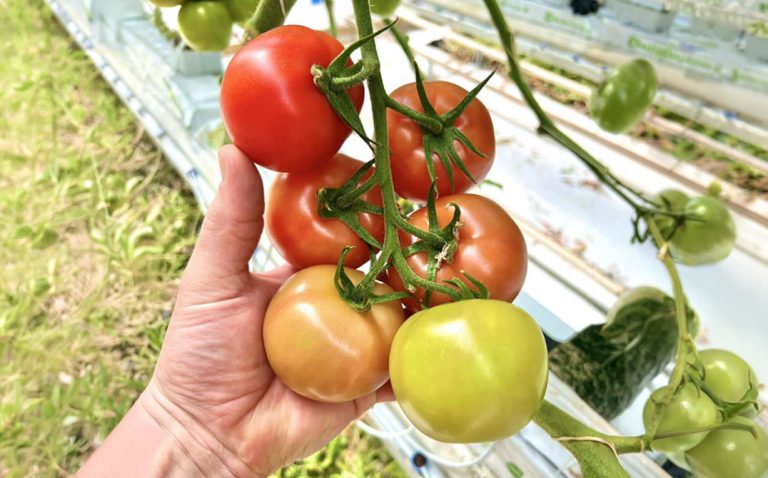


Greenhouse peppers are more than just colorful additions to a plate—they play an important role in supporting heart health and preventing chronic diseases. With their vibrant hues and crisp texture, these vegetables are loaded with heart-friendly nutrients, low in calories, and grown in clean, controlled environments that preserve their nutritional integrity. As the link between diet and disease prevention continues to take center stage in public health conversations, the nutritional profile of Greenhouse grown peppers is gaining well-deserved recognition.
Cardiovascular health begins with the right balance of vitamins, minerals, and antioxidants—nutrients that peppers deliver in abundance. These peppers are particularly rich in vitamin C, an antioxidant known for its protective effects on blood vessels and its role in lowering oxidative stress. Oxidative stress is a key contributor to the development of atherosclerosis, a condition in which plaque builds up inside the arteries, increasing the risk of heart attacks and strokes. A single red pepper can provide over 150% of the recommended daily intake of vitamin C, making it a potent tool in reducing inflammation and oxidative damage (Cleveland Clinic).
Beyond vitamin C, Greenhouse peppers contain significant levels of carotenoids, especially beta-carotene and lutein. These compounds are particularly abundant in red, orange, and yellow varieties. Carotenoids are linked to lower rates of heart disease due to their antioxidant properties, which help neutralize harmful free radicals that damage cells and lead to chronic inflammation. Inflammation is a root cause of many cardiovascular conditions, and consistently eating foods rich in carotenoids is associated with improved vascular function and reduced arterial stiffness.
One of the lesser-known heart-protective compounds found in peppers is potassium. This mineral plays a crucial role in maintaining healthy blood pressure by counteracting the effects of sodium. When potassium intake is high and sodium intake is low, blood vessels remain more relaxed and less constricted, reducing the risk of hypertension. With about 250 mg of potassium per cup, Greenhouse peppers contribute to the daily recommended intake in a low-sodium, low-calorie form. For those following the DASH (Dietary Approaches to Stop Hypertension) eating plan, sweet peppers are an ideal fit.
Fiber content is another key factor. Peppers provide around 2 grams of dietary fiber per cup, which supports heart health by lowering LDL cholesterol (the “bad” cholesterol) and improving overall cholesterol ratios. Soluble fiber binds to cholesterol particles in the digestive system and helps eliminate them from the body, reducing their accumulation in blood vessels. Incorporating fiber-rich vegetables like peppers into daily meals is a simple, natural strategy for managing cholesterol levels.
Greenhouse grown peppers are also naturally free from cholesterol, saturated fats, and trans fats—three dietary components known to increase the risk of heart disease when consumed in excess. Their low glycemic index makes them a smart choice for people managing type 2 diabetes or pre-diabetes, both of which are linked to a higher risk of cardiovascular disease. Including peppers in meals can help stabilize blood sugar levels and reduce the overall glycemic load of a dish.
The clean, controlled growing environment of Greenhouses gives peppers an edge in disease prevention. Greenhouse agriculture minimizes the use of pesticides and herbicides, reducing consumer exposure to potentially harmful chemicals. Additionally, these systems often use hydroponic or precision agriculture techniques that allow for optimal nutrient delivery, leading to consistently high-quality produce. The result is a vegetable that retains more of its heart-healthy nutrients from Greenhouse to plate, regardless of season.
Preventative nutrition is also about long-term habits and accessibility. Because Greenhouse peppers offer a reliable way to maintain a heart-conscious diet consistently, not just seasonally. Their versatility in recipes—from raw salads and salsas to roasted dishes and stir-fries—makes them easy to include in any dietary plan without sacrificing taste or convenience.
Incorporating Greenhouse grown peppers into daily meals isn’t just about adding color—it’s about making a meaningful impact on cardiovascular wellness. From managing blood pressure and reducing inflammation to lowering cholesterol and improving circulation, the humble pepper stands out as a powerful ally in the fight against heart disease.